
| Week of December 27, 2009 |
    |
 |
 |
It'll Blow Your Mind |
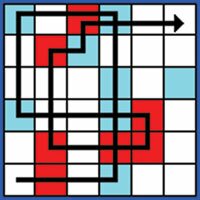 All the puzzle lovers in the world must check out Erich's Puzzle Palace, www2.stetson. All the puzzle lovers in the world must check out Erich's Puzzle Palace, www2.stetson.edu/~efriedma/puzzle.html. No matter what skills you are trying to sharpen, whether it’s number games or word plays, this site has something to solve in every category imaginable. If you are new to puzzles but feel their pull, click on Easy to get started. Those looking for a mega challenge should visit Hard for chess games and confounding mazes. Get ready to ponder for a while. Work the puzzles yourself before viewing its Solution. |
| Nominate a cool Web site at: 4Kids.org/nominations |
|
|
Magic Adventures |
|
|
|
|
Encouragement by Mail |
 During WWII, soldiers were given special treatment when it came to receiving letters from loved ones. Visit the Smithsonian's You'll Write, He'll Fight: Victory Mail, www.postalmuseum.si.edu/ During WWII, soldiers were given special treatment when it came to receiving letters from loved ones. Visit the Smithsonian's You'll Write, He'll Fight: Victory Mail, www.postalmuseum.si.edu/VictoryMail, to learn all the tricks of the mail trade. One thing is for sure: War can be depressing and lonely. But with great ideas, such as using lightweight stationery to decrease weight and cargo size, letters got to their recipients much faster. This helped to boost morale among the men and women away from their families. Love is always a great motivator. |
 Learn while immersed in fantasy at the BBC's The Magic Key: Adventures, www.bbc.co.uk/
 |
What are you doing for |

|
Dear Amy: Do any spiders fly? — Morgan, Des Moines, Iowa —Amy |
 |
Copyright © 1995 - 2009, 4Kids.org at The University of Kansas. Distributed by Universal Uclick. |